WHY AI-GENERATED INTERFACES ALL LOOK THE SAME
AI makes design faster, but is it making digital products look identical?
Insights
Why AI-Generated Interfaces All Look the Same
AI has changed the way we design digital products. Today, we can create a landing page, dashboard or mobile interface in a few minutes. But there is a problem. Many of these interfaces start to look the same.
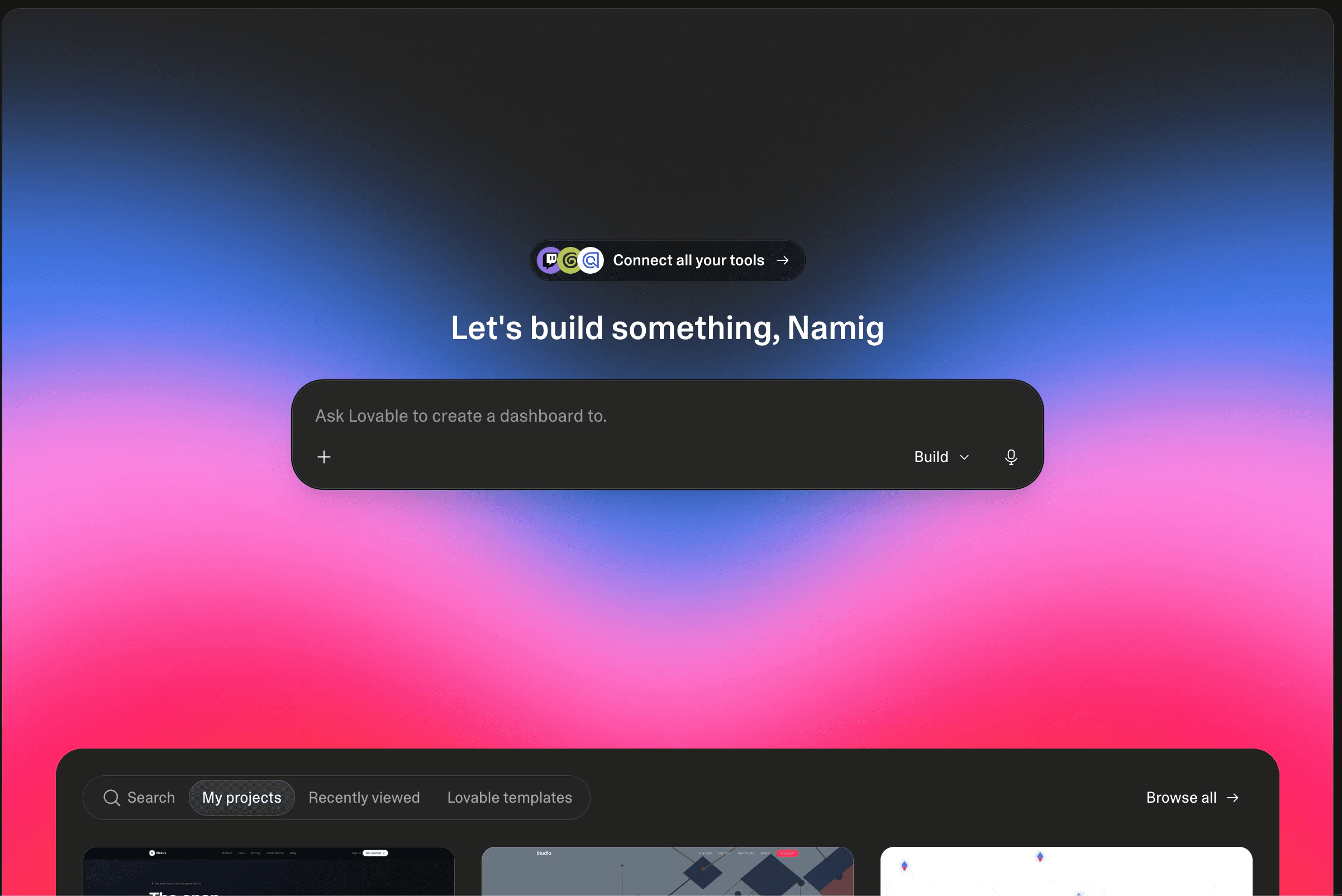
Open different AI-generated websites and you will often see similar patterns: large typography, rounded cards, gradients, soft shadows and a lot of empty space.
None of these things are bad. In fact, many of them are good design patterns.
The problem is that good patterns can easily become repetitive.
AI knows what looks good
AI learns from a huge amount of existing design work. This is one of its biggest strengths. It knows what a modern website usually looks like. It knows how buttons, cards, navigation and layouts are commonly designed. So when we ask AI to create a “modern website”, it usually gives us something that already looks familiar. But a good product should not only look modern. It should feel right for its users and its brand.

Looking good is not enough
A beautiful interface doesn't automatically mean a good product. As designers, we need to ask different questions: Why does this screen exist? What problem does it solve? What does the user need to do? What information is most important? What can we remove? AI can help us create the interface. But these decisions still need human thinking.

The designer becomes an editor
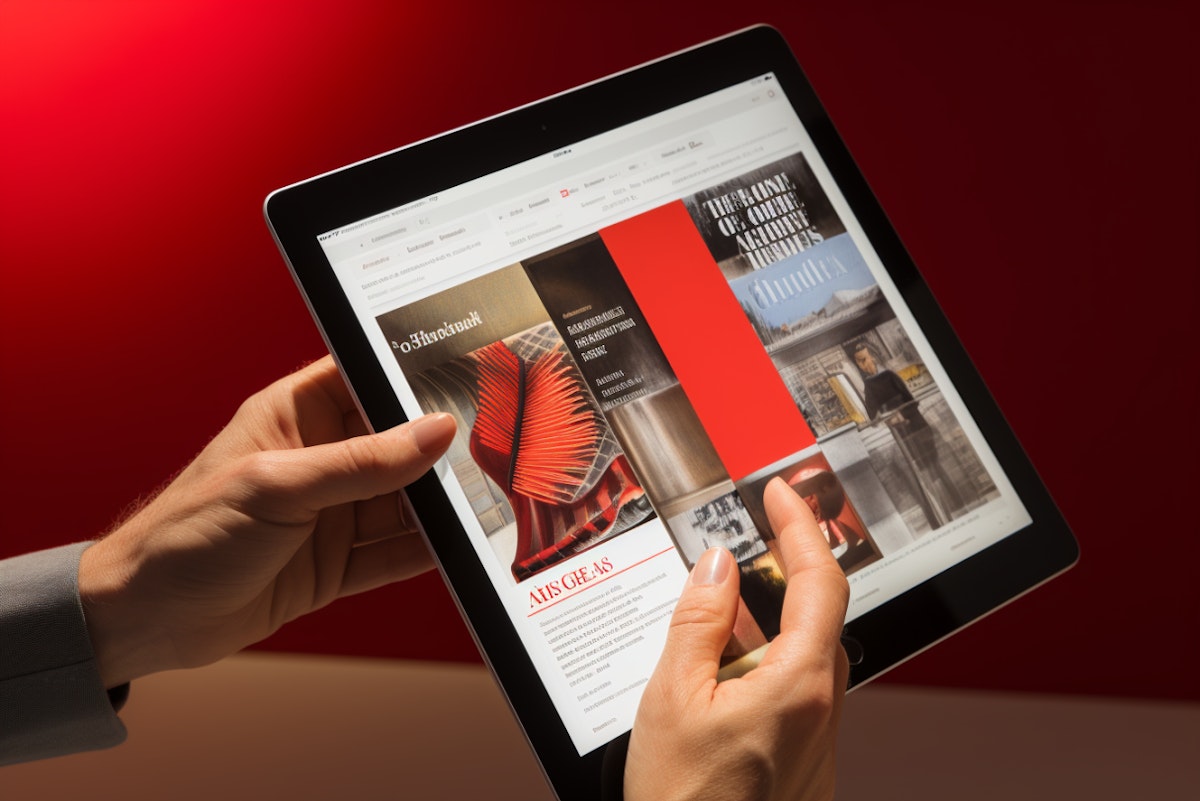
I don't think AI will make designers less important. I think it will change our role. Before AI, we spent a lot of time creating the first version. Now AI can give us ten different directions very quickly. Our job becomes choosing the right one. We need to compare ideas, remove unnecessary elements and improve what AI gives us. In other words, designers are becoming better editors.
Originality becomes more important
When everyone has access to the same AI tools, visual originality becomes harder. This means designers need to think beyond trends. A product doesn't need another gradient just because gradients are popular. It doesn't need rounded cards because every other SaaS product has them. Design should come from the product, the users and the brand.
What I think
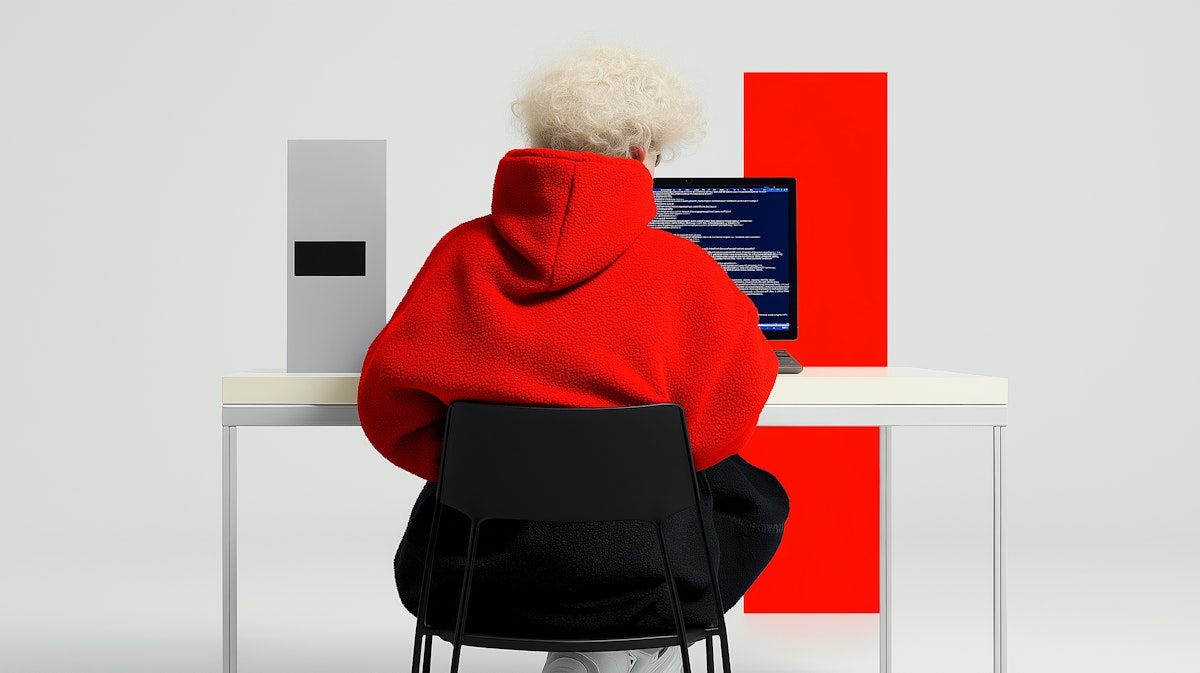
AI is an incredible design tool. But I don't want AI to decide what my product should look like. I want to use AI to explore more ideas, test directions faster and remove repetitive work. The final decisions should still come from understanding the product and its users. AI can create an interface in seconds. But creating the right interface still requires a designer.
Key takeaway
AI can generate design. Designers create direction.
Sources & Further Reading
Figma — State of the Designer 2026 (figma.com)
More to Discover

WHY AI-GENERATED INTERFACES ALL LOOK THE SAME
AI makes design faster, but is it making digital products look identical?
Insights
Why AI-Generated Interfaces All Look the Same
AI has changed the way we design digital products. Today, we can create a landing page, dashboard or mobile interface in a few minutes. But there is a problem. Many of these interfaces start to look the same.
Open different AI-generated websites and you will often see similar patterns: large typography, rounded cards, gradients, soft shadows and a lot of empty space.
None of these things are bad. In fact, many of them are good design patterns.
The problem is that good patterns can easily become repetitive.
AI knows what looks good
AI learns from a huge amount of existing design work. This is one of its biggest strengths. It knows what a modern website usually looks like. It knows how buttons, cards, navigation and layouts are commonly designed. So when we ask AI to create a “modern website”, it usually gives us something that already looks familiar. But a good product should not only look modern. It should feel right for its users and its brand.
Looking good is not enough
A beautiful interface doesn't automatically mean a good product. As designers, we need to ask different questions: Why does this screen exist? What problem does it solve? What does the user need to do? What information is most important? What can we remove? AI can help us create the interface. But these decisions still need human thinking.
The designer becomes an editor
I don't think AI will make designers less important. I think it will change our role. Before AI, we spent a lot of time creating the first version. Now AI can give us ten different directions very quickly. Our job becomes choosing the right one. We need to compare ideas, remove unnecessary elements and improve what AI gives us. In other words, designers are becoming better editors.
Originality becomes more important
When everyone has access to the same AI tools, visual originality becomes harder. This means designers need to think beyond trends. A product doesn't need another gradient just because gradients are popular. It doesn't need rounded cards because every other SaaS product has them. Design should come from the product, the users and the brand.
What I think
AI is an incredible design tool. But I don't want AI to decide what my product should look like. I want to use AI to explore more ideas, test directions faster and remove repetitive work. The final decisions should still come from understanding the product and its users. AI can create an interface in seconds. But creating the right interface still requires a designer.
Key takeaway
AI can generate design. Designers create direction.
Sources & Further Reading
Figma — State of the Designer 2026 (figma.com)
More to Discover
WHY AI-GENERATED INTERFACES ALL LOOK THE SAME
AI makes design faster, but is it making digital products look identical?
Insights
Why AI-Generated Interfaces All Look the Same
AI has changed the way we design digital products. Today, we can create a landing page, dashboard or mobile interface in a few minutes. But there is a problem. Many of these interfaces start to look the same.
Open different AI-generated websites and you will often see similar patterns: large typography, rounded cards, gradients, soft shadows and a lot of empty space.
None of these things are bad. In fact, many of them are good design patterns.
The problem is that good patterns can easily become repetitive.
AI knows what looks good
AI learns from a huge amount of existing design work. This is one of its biggest strengths. It knows what a modern website usually looks like. It knows how buttons, cards, navigation and layouts are commonly designed. So when we ask AI to create a “modern website”, it usually gives us something that already looks familiar. But a good product should not only look modern. It should feel right for its users and its brand.
Looking good is not enough
A beautiful interface doesn't automatically mean a good product. As designers, we need to ask different questions: Why does this screen exist? What problem does it solve? What does the user need to do? What information is most important? What can we remove? AI can help us create the interface. But these decisions still need human thinking.
The designer becomes an editor
I don't think AI will make designers less important. I think it will change our role. Before AI, we spent a lot of time creating the first version. Now AI can give us ten different directions very quickly. Our job becomes choosing the right one. We need to compare ideas, remove unnecessary elements and improve what AI gives us. In other words, designers are becoming better editors.
Originality becomes more important
When everyone has access to the same AI tools, visual originality becomes harder. This means designers need to think beyond trends. A product doesn't need another gradient just because gradients are popular. It doesn't need rounded cards because every other SaaS product has them. Design should come from the product, the users and the brand.
What I think
AI is an incredible design tool. But I don't want AI to decide what my product should look like. I want to use AI to explore more ideas, test directions faster and remove repetitive work. The final decisions should still come from understanding the product and its users. AI can create an interface in seconds. But creating the right interface still requires a designer.
Key takeaway
AI can generate design. Designers create direction.
Sources & Further Reading
Figma — State of the Designer 2026 (figma.com)